Is Northern New Jersey’s Water Hard or Soft?
Northern New Jersey is a complex tapestry of geology and varied water sources, leaving millions of residents wondering: is my tap water hard or soft? The answer isn't a simple yes or no; rather, it’s a mosaic of moderate to hard classifications. Understanding your water’s mineral profile is essential for the health of your plumbing, appliances, and your family's comfort.
The Spectrum of Hardness: Why North NJ Varies
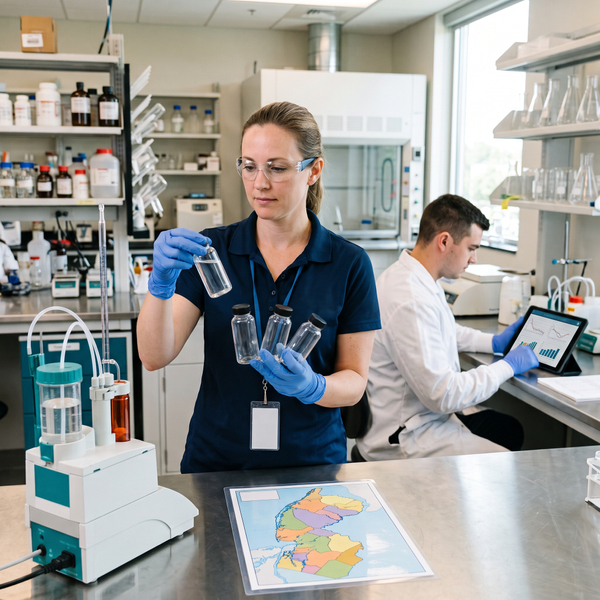
New Jersey is often classified on average as having "hard" water by national standards, but Northern NJ specifically presents significant variation. The local geology determines the hardness level—measured in parts per million (ppm) or grains per gallon (gpg) of dissolved calcium and magnesium. Generally, counties closer to urban hubs and the coast (like Hudson, Union, and Bergen) trend toward hard to very hard. However, interior counties with differing bedrock (like Passaic and Morris) can experience pockets of water that are moderately hard to even moderately soft. This variation means your address, not just your zip code, defines your water’s character.
The Visible and Invisible Toll of Hard Water
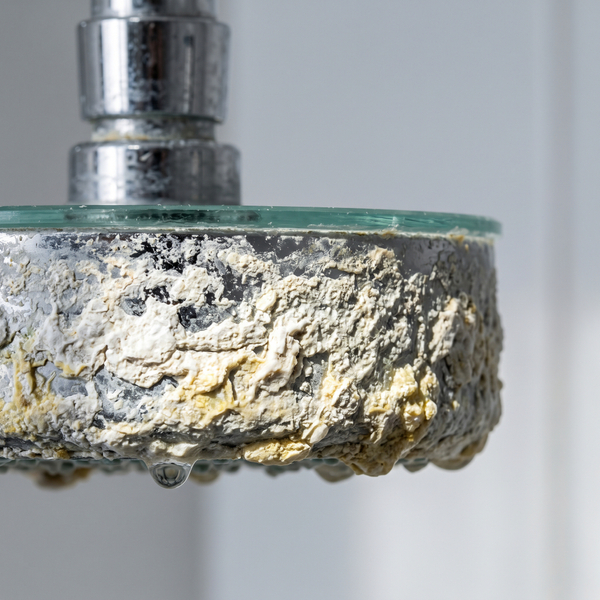
The presence of excess minerals isn't a health hazard, but it is a formidable opponent for your household's infrastructure. The minerals in hard water don't stay dissolved when water is heated; they precipitate, forming sticky, insulating buildup known as limescale.
You see the visible toll: stubborn white crust on showerheads, foggy spots on dishes, and dull, stiff laundry. The invisible toll is more insidious, accumulating inside water heaters, boilers, and dishwasher heating elements. Scale buildup acts as insulation, forcing appliances to work harder, consume more energy, and ultimately, fail prematurely.
Understanding Common Contaminants
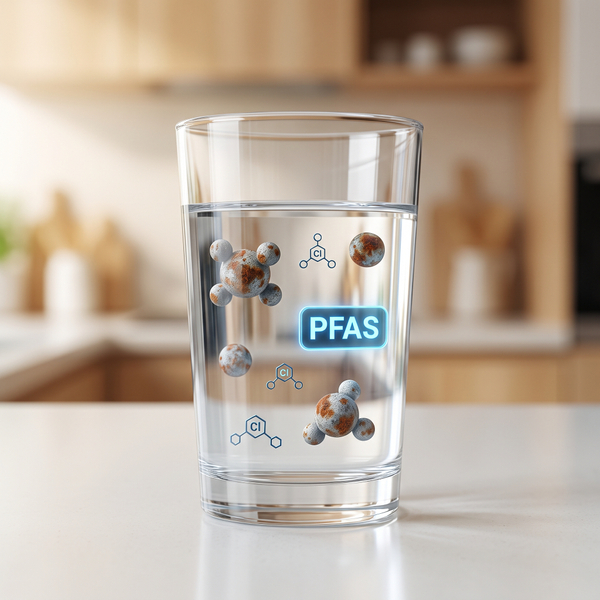
A comprehensive water strategy in North NJ requires looking beyond simple mineral content. Our region also faces other water quality issues. The disinfection process often leaves chlorine or chloramine taste and odor. Aging infrastructure may introduce lead from service lines or plumbing. Furthermore, emerging contaminants like PFAS (per- and polyfluoroalkyl substances)—known as "forever chemicals"—are increasing areas of concern. Addressing hardness with a standard softener handles the mineral accumulation but won't filter these other critical parameters. A tiered approach is required for total peace of mind.
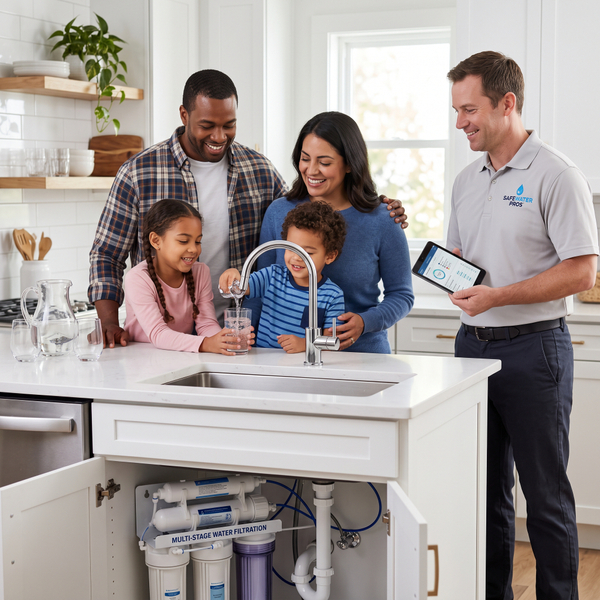
The Role of a Water Specialist
Navigating these complexities is where a qualified water specialist becomes your most valuable asset. Generic solutions found in big-box stores are guesses. They might soften your water but miss dangerous contaminants, or filter chlorine but allow hardness to destroy your dishwasher.
A water specialist provides comprehensive, hyper-local testing right at your faucet. This analysis identifies the precise mineral count, pH, chlorine levels, iron, and presence of common contaminants unique to your home and municipality. From there, we prescribe customized, engineering-grade filtration blueprints.
Secure Your Peace of Mind today
Do not compromise on your family’s long-term wellness or your home’s infrastructure. Generic filtering is not enough for Northern New Jersey’s mosaic of challenges. A specialized, expert approach provides the customized protection you deserve.
Partner with our water specialists to pinpoint exactly what you’re dealing with and secure total peace of mind today.